
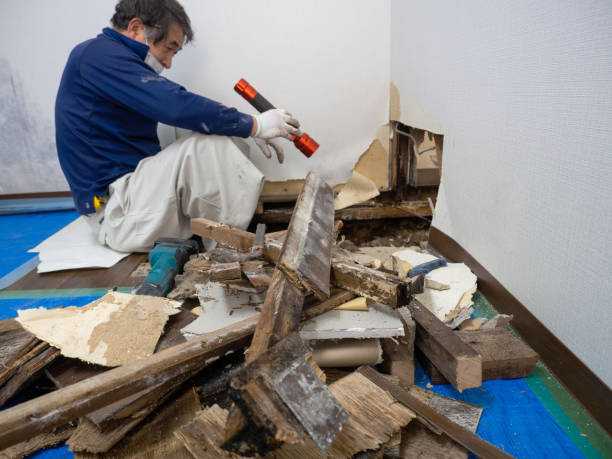
Water damage can be caused by many different things. Weather disturbanceMany different things can cause water damage on causes of water damage. Earthquakes and wildfires can also cause indirect damage to property.
Poor construction, structural or plumbing problems, appliance malfunctions, and condensation can also cause water damage.
Water damage can cause havoc if not treated promptly and efficiently. Water damage can cause a number of problems, including weakened foundations, electrical system failure, and mold growth.
This article will discuss how to clean up your property thoroughly after water damage and how to avoid future incidents.
How to clean up and restore water damage
Cleaning up and restoring water damage in a home or office, no matter how minor the damage is, can be overwhelming. Here’s a simple step-by-step guide to help you reduce the stress:
Be Swift and Safe
Safety should always be your priority when you find any water damage. Enter the property only if you are sure it is safe. Turn off gas and electricity if needed (and it is safe to do so). Wear protective gear like gloves, masks, and boots to prevent exposure to contaminants.
Document and Assess Everything
Before beginning the cleanup and restoration process, evaluate the extent of water damage and document it using photographs or video. These documents will prove valuable when filing insurance claims.
Determine the type of water and then identify its source. This will help you determine the best way to clean it up. The type or source of water will determine the appropriate cleaning approach. Cleaning procedures can vary depending on the source or type of water (e.g., clean water from pipes, floodwater, etc.).
Extraction of Water, Drying and Disinfection
First, remove any standing water with pumps, wet/dry vacs, or a mop. The faster water is removed, the less damage will be caused.
You can use industrial dehumidifiers and fans to dry the affected area. This will prevent structural damage and mould growth. Finally, disinfect and wash surfaces that have become infected with the water. Sanitize the affected area with appropriate cleaning products and disinfectants.
Professional Support
If you have extensive damage or are unsure of the cleaning process, hire professional cleaners such as Crewcare. They also offer water damage restoration services. These professionals possess the equipment and expertise to handle large-scale restoration effectively.
Repair or Salvage Items When Possible
Salvage personal items and belongings if you can. This should be done as soon as possible to avoid further damage. Apply the appropriate disinfectant after washing and drying to eliminate any germs.
It is possible to replace or repair damaged building materials such as drywalls, insulations, floors, and structural components. Professional repairs will ensure longevity and quality.
If you cannot salvage or clean an item, it is best to dispose of it as soon as possible. If you can’t remove them immediately, store them in a place that will not promote mold growth.
Mould Prevention
When you return to a property that has been flooded, you should check for any signs of mold growth and take steps to prevent it. Use mould inhibitors and remove any mouldy materials.
Please remember to do other important things.
Othemoldygs to consider when dealing with water damage include:
Call your insurer. Inform your insurance company as soon as you can about the damage caused by water. Document the damage with photos and videos. Also, keep a record of any communication you have had with your insurer.
After the water damage cleanup, take proactive measures to prevent future damage. Regularly inspect your home, maintain the roof, gutters, and plumbing system, and upgrade them if necessary.
Do a thorough inspection. Hidden water damage may exist in your home or workplace. After the cleanup is complete, check for signs of water damage, such as cracks and leaks in walls, ceilings, and foundations.
Maintain your water pipes and gutters. Regularly clean gutters and downspouts to avoid water accumulation on the roof or around foundations.
Roof maintenance: Check the roof for any damage, missing shingles, or flashing. Repair or replace damaged roof materials as soon as possible.
Inspect plumbing fixtures, pipes, and appliances regularly for corrosion or damage. Repair any problems immediately to avoid water damage.
Upgrade your plumbing system. If you can, upgrade to more modern plumbing fixtures and appliances. These are less likely to leak and use less water.
Insulation and ventilation are important. Moisture accumulation causes water damage. For prevention, make sure you have adequate insulation in your attic, walls, and crawlspaces.
Keep your appliances in top shape. Check for leaks and wear on hoses and connections.
Installing a pressure regulator can prevent you from unintentionally putting unnecessary pressure on your water pipes. It will also help maintain a safe level of water pressure and prevent leaks.
Monitor the water bill. A sudden increase in your water bills or usage could be an indication of a hidden leak.