
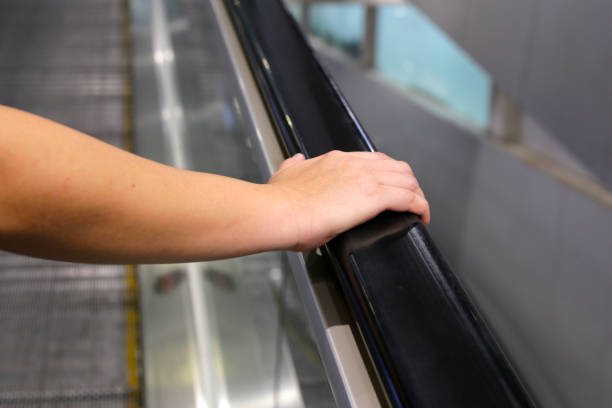
Elevators, escalators and other transit marvels are essential to modern architecture. They transport people and goods seamlessly through multi-level structures and towering structures. These transit marvels are lifelines that efficiently transport people and goods from floor to floor. They also enhance accessibility and facilitate smooth mobility in busy spaces.
Despite their continuous use, it is easy to overlook the importance of maintaining cleanliness and functionality. In this article, we’ll explore the most important aspects of cleaning escalators and elevators.
Understanding the importance of maintaining these mechanisms is important to ensure their safety and hygiene. This will also increase the efficiency and lifespan of our built environment. We’ll explore the complexities of cleaning escalators and elevators together.
Elevators and Escalators: Cleaning is Important
Elevators and elevators are vital components of the building infrastructure, as they allow people to move between floors easily. Their cleanliness is often overlooked despite their importance.
Elevators and escalators are constantly in use, which means they accumulate dirt, debris, and germs. Neglecting to clean them poses a threat to the public’s health and could spread illness.
A cluttered elevator floor or an escalator that has been neglected can pose safety risks. Accidents caused by slips and trips on unclean surfaces may cause injury or disrupt operations. Regular cleaning reduces these risks and ensures users’ safety.
It is important to keep elevators and stairs clean to maintain functionality. If dirt and grime build up in escalator tracks, for example, the escalator may not function optimally.
Brushes, combs, and pulleys must ensure not only smooth operation but also increase the life expectancy of these machines by preventing malfunctions or blockages.
Clean and well-maintained escalators and elevators contribute to a positive experience for users in buildings. Visually pleasing environments instill confidence and reflect a well-managed space. This positive impression may influence the public’s perception of your entire establishment.
Cleaning elevators and escalators is important to comply with regulatory requirements. New Zealand’s health and safety laws often require regular cleaning and maintenance, including elevators and other public areas. These standards ensure compliance and can also prevent legal consequences.
Cleaning escalators, elevators, and other moving parts of buildings is important for many reasons. It impacts the public’s health, safety, and perception of the building. Prioritizing cleanliness is important to maintain a high standard of excellence and ensure a seamless experience for all transit users.
How to Clean Elevators and Escalators
The importance of maintaining clean, functional elevators and an escalator is indisputable. However, the task presents its unique challenges. The following are some of the main challenges that elevators and escalators face when it comes to cleanliness:
Complexity in Design. Elevators, escalators, and other moving parts have intricate designs. These mechanisms are difficult to clean and require special equipment or expertise.
Areas with High Traffic, such as elevators or escalators that are always in use are difficult to clean thoroughly without disrupting building users and operations.
Diverse Surfaces. When cleaning elevators and stairs, you will have to clean a variety of surfaces, including metal, rubber and plastic. To ensure that these surfaces are properly cleaned without damaging them, each of them requires specific cleaning products and methods.
Time constraints. Cleaning personnel are often limited in time to complete their tasks within a building. Balancing the need to thoroughly clean elevators and other cleaning tasks with other cleaning duties cannot be easy.
Technical expertise. Cleaning elevators and escalators require more than general cleaning knowledge. Understanding the components, machinery, and safety protocols of these systems is essential.
Resource management. Building managers may prioritize other areas of maintenance or allocate limited resources for cleaning elevators and escalators, resulting in inconsistent or inadequate cleaning schedules.
Crewcare is a trustworthy provider of cleaning services that can help you resolve many of these problems. You can be assured that the cleaning tasks are handled by professionals who have been specially trained.
In light of the challenges listed above, here are some tips to help you streamline your cleaning process and maintain the cleanliness, safety, and functionality of elevators and escalators.
Establish a Cleaning Schedule
Create a detailed cleaning schedule that includes routine maintenance for elevators and the escalator. Consider peak and non-peak hours to ensure thorough cleaning while minimizing disruption to building residents.
Clean with the right products
Use cleaning products suitable for elevator and escalator surfaces. Choose gentle but effective cleaners to avoid damaging the machinery and surfaces.
Train Your Cleaning Staff
Train your cleaning staff in the specific aspects of cleaning elevators and escalators. Equip them with knowledge about particular cleaning techniques, safety protocols, and how these systems work.
Concentrate on Areas with High Traffic
Prioritize cleaning high-touch surfaces, such as buttons, controls, and handrails, in elevators. Concentrate on the escalator’s floor edges, brushes, combs, and steps, as these areas tend to accumulate dirt faster.
Use Specialised Cleaning Equipment
Even if you have hired professionals to clean your escalators or elevators, this is not a big issue. However, it’s advisable to invest in the right tools and equipment. You might consider buying a variety of brushes, vacuum accessories, and cleaning solutions.
Maintain regular inspections and maintenance.
Elevators and Escalators need to be checked periodically to address problems, prevent operations disruptions, and ensure proper operation.
Clean Up Your Communication
Informing building occupants about the cleaning schedule will help maintain cleanliness and safety in elevators and escalators. Transparency is a great way to gain the cooperation and understanding of users.